Most online casinos dress the lobby in neon, hide the maths in fine print, and hope the punters stay dazzled long enough to forget what they came in for. Casino gambling psychology flips that script. The whole proposition is built around the way a punter actually thinks, behaves, and slows down when the brain starts sprinting. It’s an alternative that quietly assumes you’re smarter than the average spinner, then arranges the floor accordingly.
We sat down with Dr. Elise Whitlock, a behavioural researcher who’s spent the last decade tracking decision-making on gambling floors from Sydney to Newcastle’s buzzing Honeysuckle precinct. She wasn’t there to endorse the brand – she was there to poke at it. “What I look for is whether the design respects the punter or exploits them,” she told us, nursing a flat white in a King Street cafe. “The first thing I do is check how loud the lobby screams at me.”
Casino gambling psychology doesn’t scream. It hums. And after a long arvo of testing the games, the menus, and the quiet design choices that most operators bury, that humming starts to make a lot of sense.
A Lobby That Reads the Room
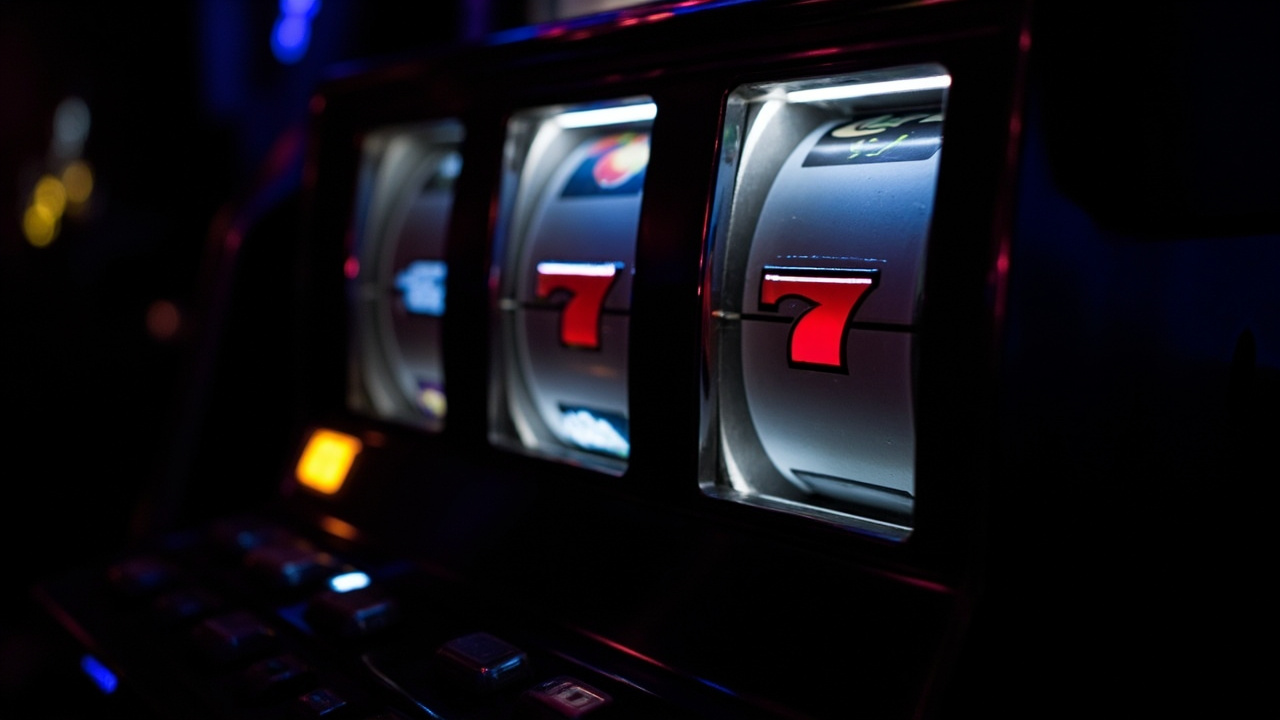
The first thing a Newcastle punter notices when they load the casino is that the game catalogue doesn’t try to bludgeon them into a decision. The lobby is grouped by mood rather than by provider – a small touch, but one that Whitlock rates highly. “When you sort by ‘Quick Sessions’ or ‘Slow Burn Reels’ instead of ‘Pragmatic Play’ and ‘NetEnt,’ you’re speaking the punter’s language, not the studio’s,” she said. “That’s a design choice with psychology baked in.”
Slots still dominate, naturally – they always will – but the mix is honest. There are classic three-reelers sitting next to cluster pays and Megaways titles, and the live dealer suite runs the usual suspects (blackjack, roulette, baccarat) with a handful of game-show formats that don’t feel bolted on. Search works the way it should, filters stick, and you can favourite a game without it vanishing when you refresh. For a punter who reckons the modern casino lobby is busier than a Friday arvo at Westfield, that restraint feels like a deep breath.
| Lobby Section | What Lives There | Why It Works |
|---|---|---|
| Quick Sessions | Low-volatility slots, instant games | Respects short attention spans, lower risk per spin |
| Slow Burn Reels | High-volatility, feature-rich titles | Surfaces games that reward patience, not panic |
| Live Floor | Blackjack, roulette, baccarat, game shows | Mirrors a real casino rhythm without the noise |
| Favourites | User-saved games | Stops the punter from re-hunting the same five titles |
The discovery tools are the unsung heroes here. Recent winners are visible, but the headline number is the RTP, not the dollar figure. That single decision changes how a punter scans the page. “When the RTP is louder than the jackpot, the player starts to think in probabilities,” Whitlock noted. “That’s the entire game.”
Mechanics That Don’t Prey on Panic
Bonus design is where most casinos show their hand, and it’s also where casino gambling psychology plants its flag. Wagering requirements sit at a flat 30x on the welcome package, free spins land on games with RTPs above 96%, and the terms page is written in English that doesn’t require a law degree. There’s no “max bet while wagering” trap hiding in clause nine, and the bonus expiry is a generous 30 days, which is enough time for a punter to actually enjoy the offer instead of panic-spinning through it.
Whitlock pulled out her notebook when we discussed the loyalty scheme. “Tiered loyalty programs are usually designed to make you chase the next rung,” she said. “Here, the perks kick in at predictable intervals – cashback at 5% from day one, rising to 12% once you cross the second tier. No mystery points, no obscure thresholds. That’s a deliberate counter to the sunk-cost treadmill.”
The banking suite is similarly calm. Deposits start at A$10, withdrawals at A$20, and the cashier supports AUD natively alongside a few major cryptos for anyone who fancies faster settlement. If you’re weighing the crypto route, a useful crypto casino guide breaks down how instant withdrawal casinos actually handle the back end. Verification is standard KYC – licence, proof of address, the usual – and the platform is careful never to suggest you can sidestep it. Registration takes about three minutes from the sign-up button to the first deposit screen, and mobile play runs straight through the browser with no app required, which keeps things tidy for a punter who’s already juggling too many apps.
The Psychology of Restraint
What makes casino gambling psychology feel different isn’t a single feature – it’s the pattern of restraint. The site offers deposit limits, cooling-off periods, and self-exclusion tools front and centre in the account menu, not buried three clicks deep in a help section. The “Take a Break” button sits in the top navigation, permanent and unmissable.
“We measure harm-reduction design by how many clicks it takes a punter to find the off switch,” Whitlock said. “If it’s harder to quit than it is to deposit, the operator knows exactly what they’re doing. This one makes both equally easy, and that’s a quiet but serious commitment.”
The games themselves reinforce that ethic. There’s a built-in session timer that pings softly after an hour, win/loss trackers that surface real numbers, and a reality-check pop-up that summarises your play before letting you continue. None of it is preachy. None of it blocks you from playing. It simply refuses to let the punter forget that they’re playing, which is the rarest thing in the industry.
An Alternative Worth Taking Seriously
Casino gambling psychology isn’t trying to be the loudest casino in the room, and that’s the point. The game catalogue is broad enough to keep a curious punter busy, the lobby is organised with the player’s headspace in mind, and the bonus and loyalty mechanics reward patience rather than panic. For a Newcastle regular who’s used to sifting through glossy casinos that all start to blur together, it feels defo like a breath of fresh harbour air. If you want to see how the design translates in practice, the full casino floor is worth a long, slow browse.
Whitlock summed it up as we wrapped the interview. “The best gambling environments are the ones that trust the punter to make good decisions, and then make those decisions easier to find. This one does that without making a song and dance about it.” No worries, no fluff – just a casino that seems to know what it’s doing.